Specialty coffee has more processing options than ever before, from new fermentation techniques and experimental protocols to flavour profiles that would have seemed unthinkable a decade ago. For roasters and importers sourcing Fine Robusta, this raises a practical question about every lot on the cupping table: Is fermentation bringing out what is already in the bean, or introducing something that was never there?
These developments represent genuine progress for the industry. But before deciding how to process a coffee, we at The Espresso Farm always start with one question:
Do we truly understand the identity of the bean before deciding how to process it?
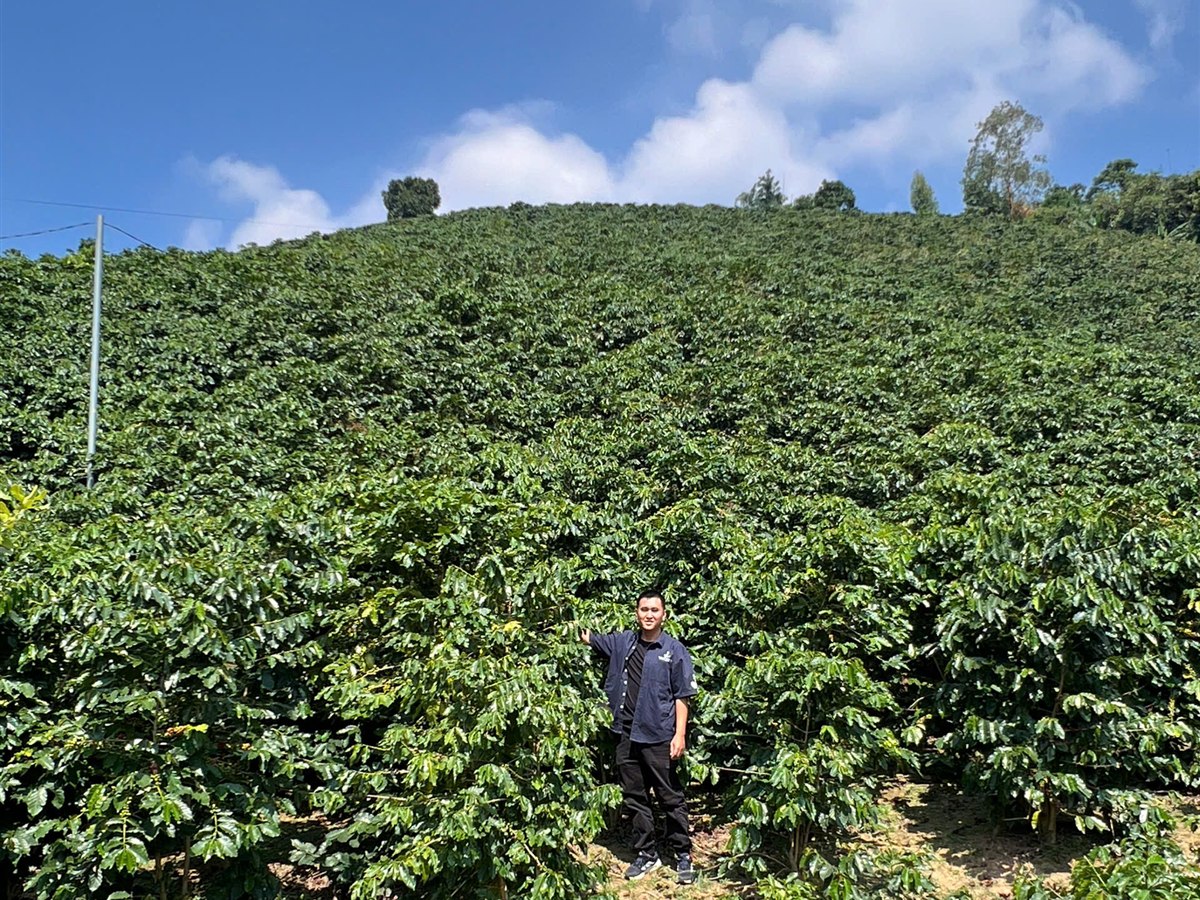
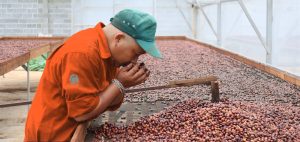
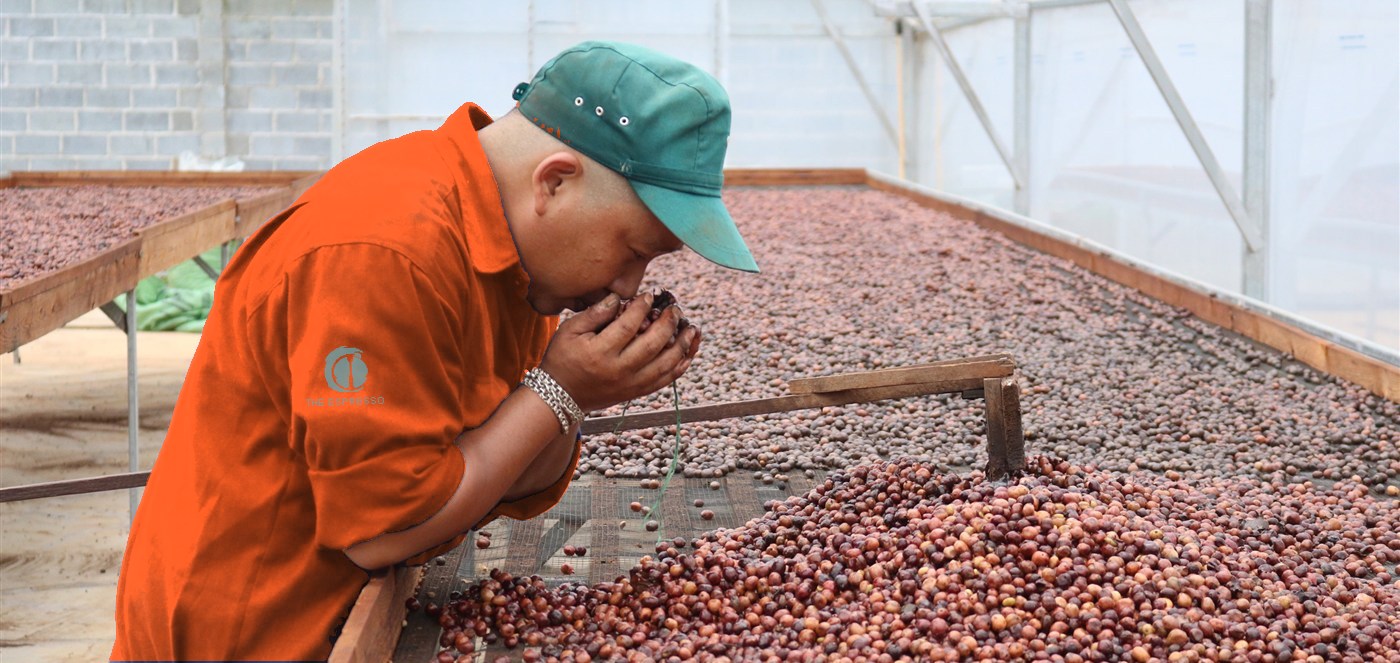
A coffee bean’s story does not begin in a fermentation tank or on a drying bed. It begins with its variety, growing region, local ecology, soil and the care given to the trees season after season. Together, these factors shape the character of the raw material and the flavour potential the bean can express. In Robusta, different varieties, growing regions and farming practices can each contribute their own structure, sweetness, body, acidity and finish.
That potential does not automatically translate into quality in the cup. Quality also depends on how the producer cares for the trees, determines harvest timing, manages cherry ripeness, and handles processing, drying and storage. This is fundamental work that rarely makes for a novel story, but it is the foundation of every quality coffee.
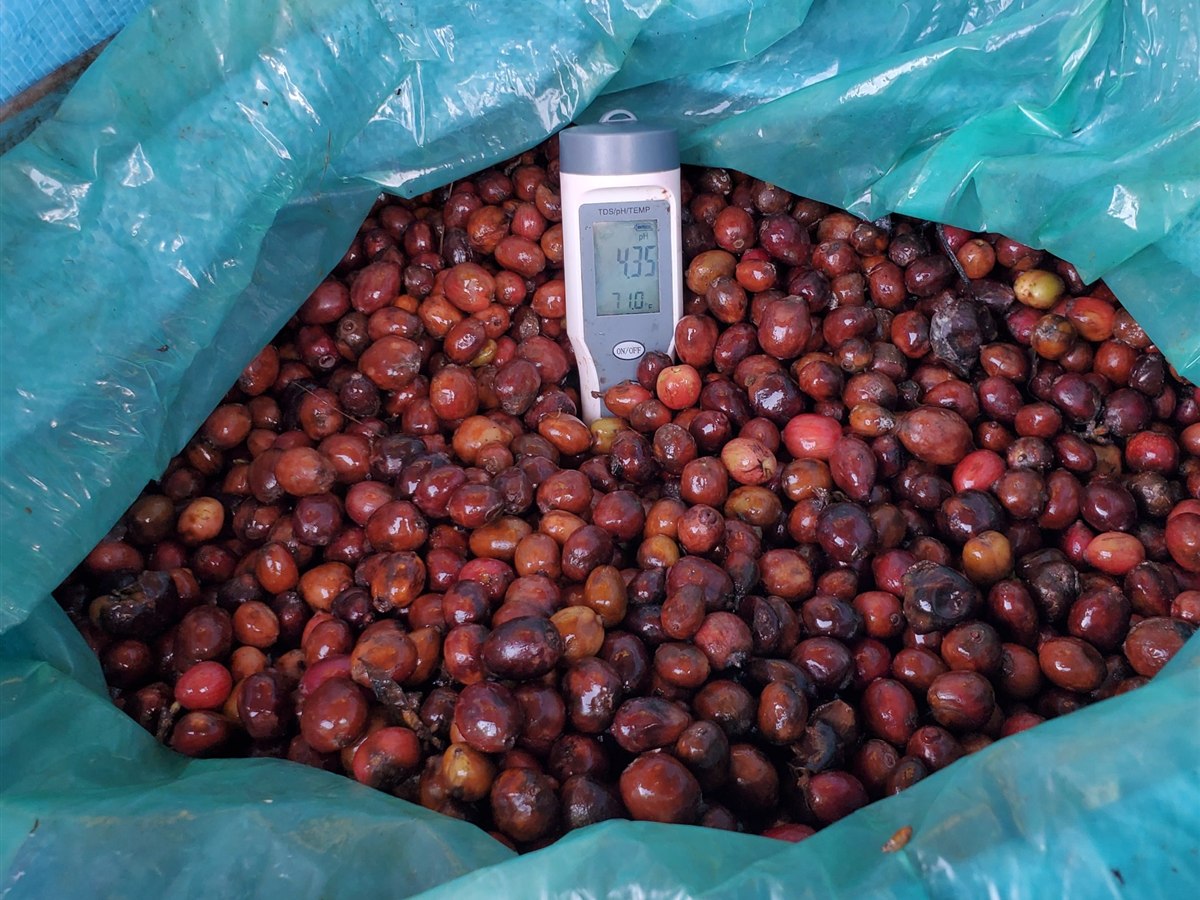
Natural, Honey, Washed and controlled fermentation are all important processing methods. Each influences flavour development in its own way. Researching and applying new techniques can also open up interesting possibilities for bringing out more of the raw material’s potential.
However, a complex process does not automatically produce better coffee, and an unusual flavour profile does not necessarily indicate higher quality. What matters is not the number of processing steps, how new a technique is or how surprising the tasting notes may be. What matters is whether the method suits the raw material, whether the process is well controlled, and whether the final coffee expresses the quality the producer is aiming for.
At The Espresso Farm, we do not see preserving a bean’s identity as a limitation on innovation. On the contrary, understanding the raw material allows us to choose the right processing method and experiment with a clear purpose.
Don’t impose an identity on the bean. Understand its identity before deciding how to process it.
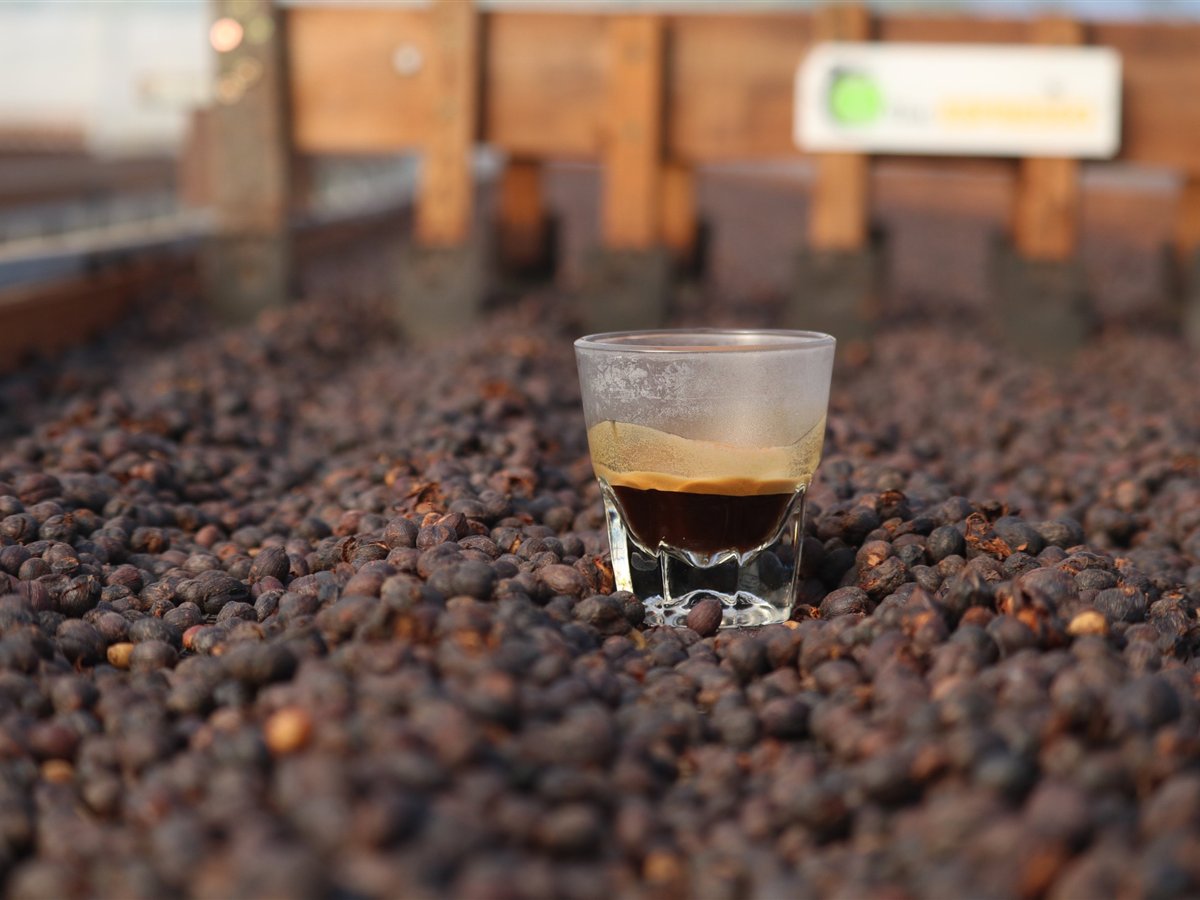
For Fine Robusta, this approach is particularly important. Robusta does not need to become a version of Arabica to demonstrate its value. It has its own character, its own potential and the ability to offer coffee experiences worth exploring. The task is to understand these characteristics, from variety and growing region to the quality of the raw material after harvest.
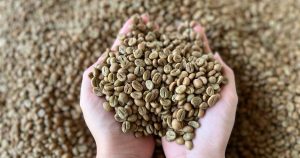
Well-produced Robusta can offer notable sweetness, body, structure and a clean finish. Its value does not need to be demonstrated through exotic tasting notes or elaborate processing. At The Espresso Farm, developing Fine Robusta starts with studying the raw material and respecting the character of each variety and growing region. We then select the processing method and roast profile that best express the potential of each lot.
Every processing method should have a clear purpose, every trial should have a defined objective, and final quality should be judged by the coffee in the cup, not by the complexity of the process.
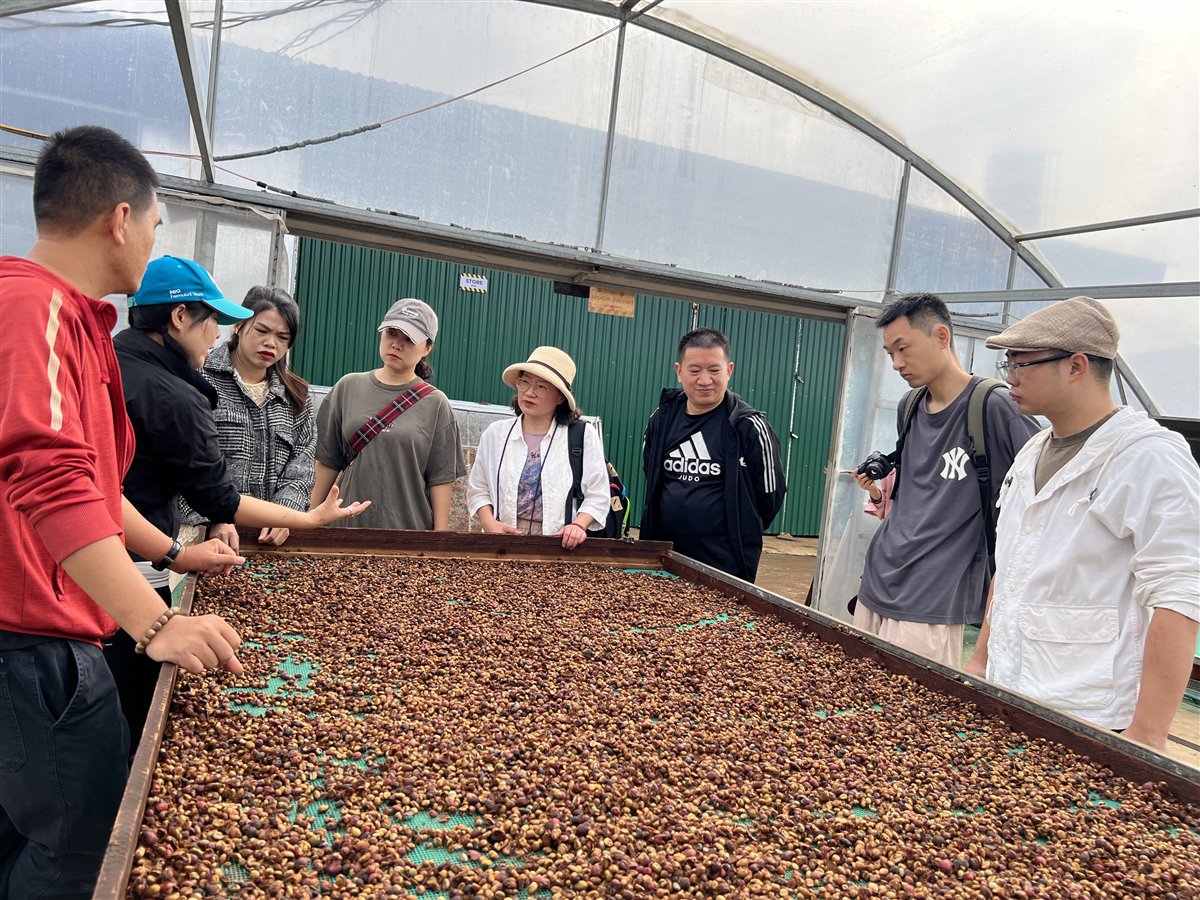
The coffee industry needs innovation. Producers need to research, experiment and continuously improve their processing practices. But innovation does not have to begin with creating a flavour nobody has tasted before. Sometimes progress means better ripeness control, more consistent drying, fewer processing defects, more stable storage, or a roast profile that allows the bean’s natural character to come through more clearly. These are meaningful improvements, even when they do not make headlines.
For us, developing Fine Robusta is not about turning Robusta into a different coffee. It is about understanding it more deeply, exploring the potential of each variety and growing area, and finding ways to express those qualities clearly and consistently.
Preserving a coffee’s identity does not mean never changing how it is processed. It means knowing what should be preserved, what can be improved, and where the boundaries lie when intervening in the bean.
We believe a special coffee does not necessarily require a special process. Sometimes its greatest value comes from understanding the raw material and getting every step right, allowing the qualities already present in the bean to express themselves fully.
Wherever you source Fine Robusta, the real question is not which lot delivers the most surprising flavours in the cupping room. It is which lot best fits your business, and whether you can source it again with the same character and quality.
Experimental fermentation can produce remarkable cups. But when a flavour profile depends on a one-off trial, a very small batch or conditions that are difficult to reproduce, it becomes harder to build a product around it. You may struggle to put it on a menu, develop a consistent blend or offer it to customers year after year. If the next harvest cannot deliver a similar result, the process of building that product starts all over again.
A lot that expresses the character of its variety and origin, through well-understood and carefully controlled processing methods, offers a different kind of value. It can be reproduced in subsequent harvests, scaled to meet business requirements and maintained within a consistent quality range from crop to crop. This is what makes Fine Robusta commercially viable: not just an interesting cup, but a coffee that roasters and brands can reliably build products and long-term supply relationships around.
So when evaluating a Fine Robusta lot, look beyond the score:
Clear answers to these questions tell you far more about a producer’s ability to become a long-term supply partner than an unusual tasting note.
At The Espresso Farm in Cu M’gar, Dak Lak, and with partner growers in Lam Ha (Lam Dong), we focus on Fine Robusta whose character comes from its variety, origin and careful processing. Our aim is to deliver coffees that can be reproduced from one harvest to the next while maintaining their defining qualities. We share lot details, prepare samples and provide quotations based on volume, packing and destination.
Further reading: What is Fine Robusta? A guide to Vietnam’s specialty Robusta · New crop vs past crop green coffee