Harvest in Vietnam’s Central Highlands starts in November, and the question we hear most from roasters and importers is the same every year: “Is the new crop ready?”
New-crop coffee is worth waiting for, but new crop is not automatically better than past crop. Every harvest and every lot behaves differently. Below are three things we check, and recommend buyers check, before switching a roast program from last season’s green coffee to the new one.
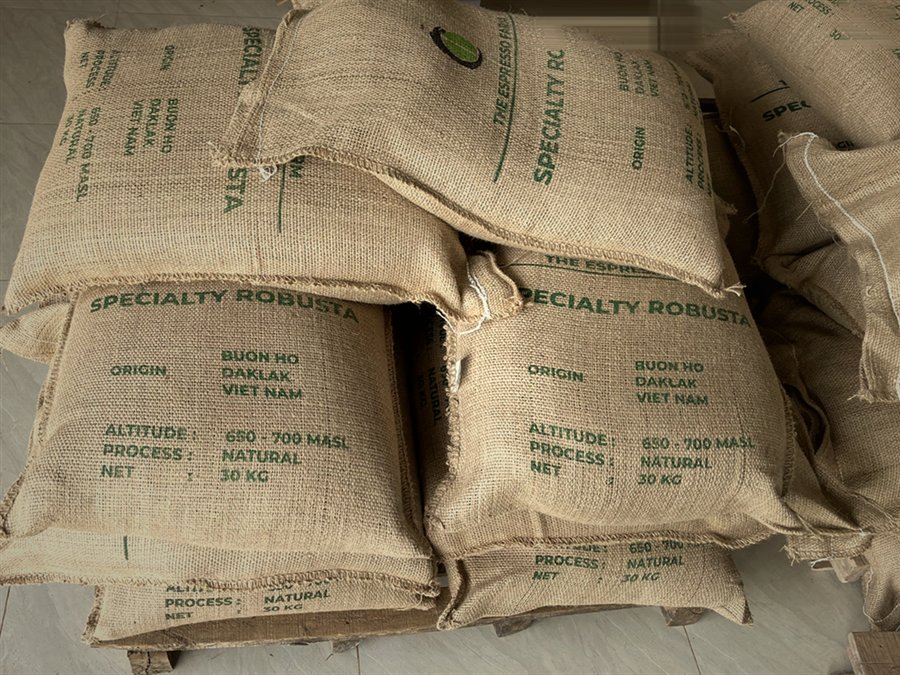
Freshly dried coffee usually carries more moisture than coffee that has rested in the warehouse for a few weeks. A lot that has not stabilised is harder to roast: heat transfer changes, development becomes uneven, and the cup can turn grassy or sharply sour.
Ask for a moisture reading on every lot, not just one figure per contract. For our lots, the target is below 12.5%. If a lot reads high, or readings vary a lot between bags, give it time to settle before it goes into production.
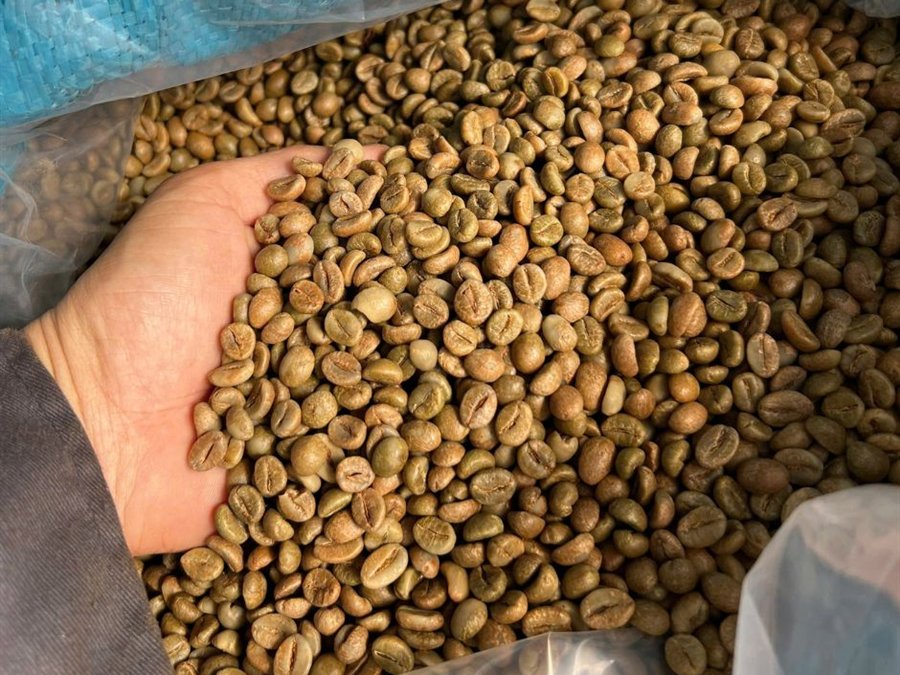
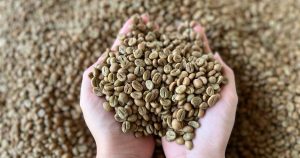
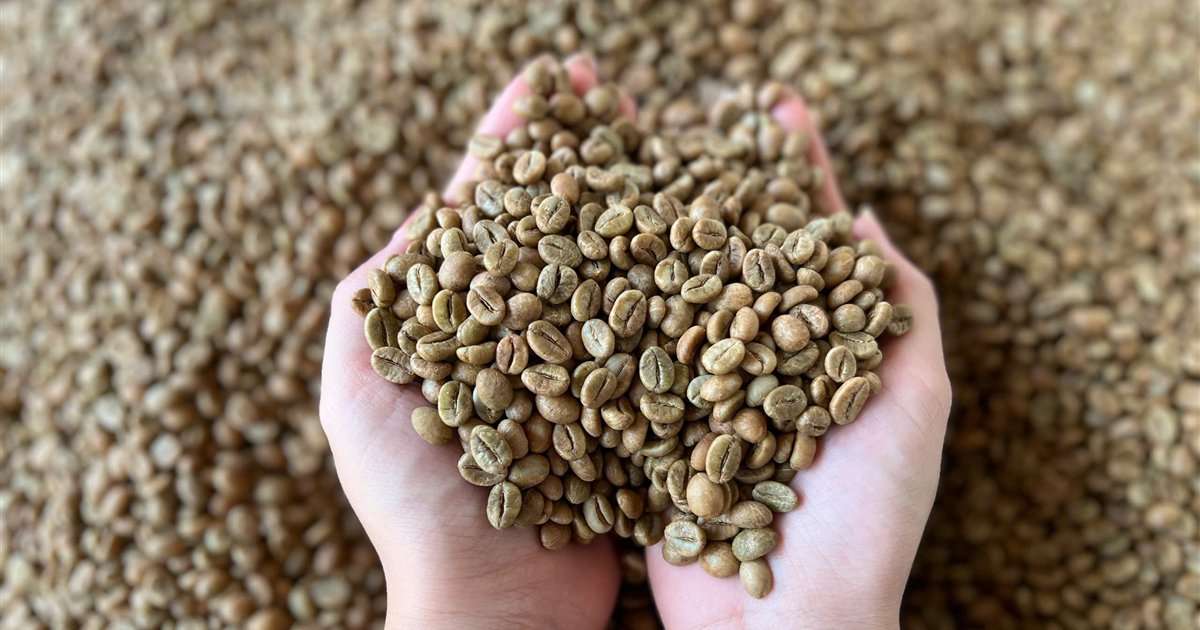
New-crop beans have the colour and aroma typical of freshly processed coffee. Past-crop coffee that was stored well can still cup very well. Poor storage is a different story: beans fade, and papery, baggy or warehouse notes appear. Those changes carry straight through into the roasted cup.
When a sample arrives, take a handful, smell it and look closely. Colour alone is not enough to judge quality. If you buy past crop, ask how and where it was stored, and for how long.
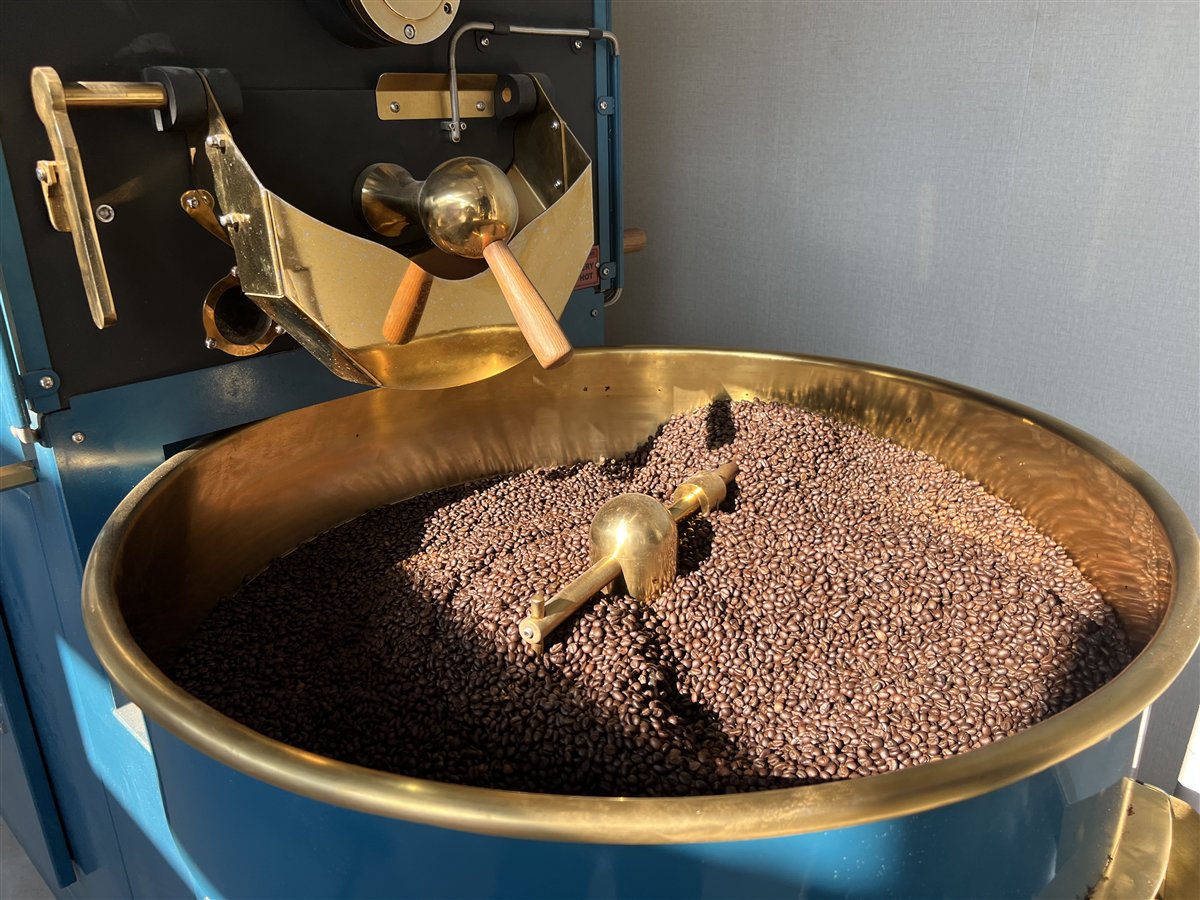
A roast profile cannot be locked for the same coffee from the start of the season to the end. Same variety, same origin, yet the beans still shift with each picking round, ripeness, processing conditions and moisture.
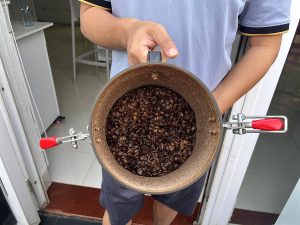
With higher-moisture lots, our practice is to extend the drying phase slightly so the beans dry evenly, then adjust heat according to how the beans actually respond. Watch the timing of first crack closely and compare bean colour against your reference batch. Some lots need small changes, others need a lot, which is why a small test roast before production is essential.
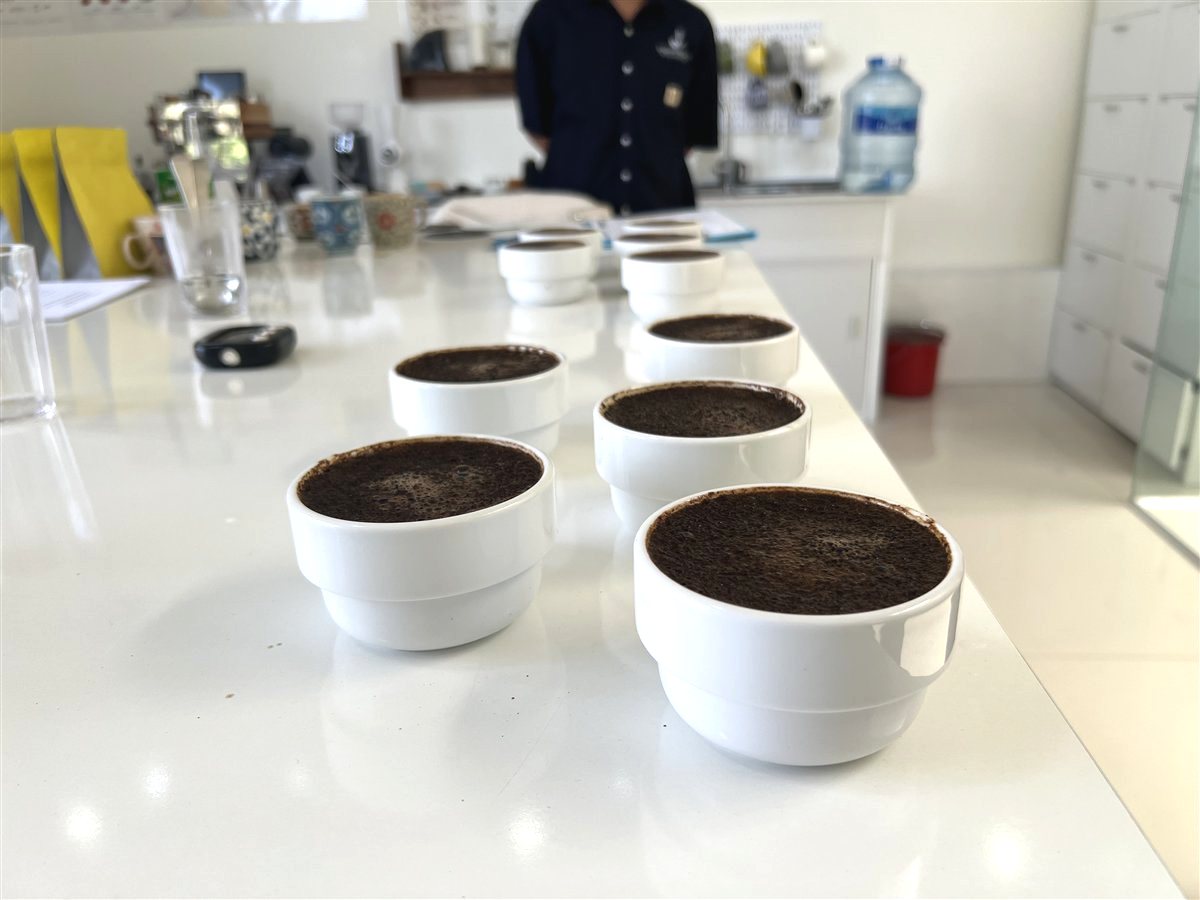
Every test roast should be cupped. Cup the past-crop and new-crop lots side by side using the same protocol so the comparison is fair. If the flavour differs, adjust the profile or blend your way across: for example 70% past crop and 30% new crop in the first week, then 50/50, then a full switch. The exact ratios depend on your cupping results and the flavour you want to keep. For cafés and blends with regular customers, this keeps the cup consistent while the green coffee changes.
2026/27 crop samples
Green and roasted samples from the 2026/27 crop, from Lam Ha, Cau Dat, Mang Den and Cu M’gar (Dak Lak), will be available once the first lots finish processing. If you need samples or lot specifications, message our export team.
Request samples on WhatsApp2026/27 harvest calendar & sourcing guide →